
A dealership in Iskandar Puteri, Johor, recently marked another handover of the Proton e.MAS 7 Premium Plus, part of a steady stream of electric vehicle deliveries across Malaysia as automakers push battery-powered models into mainstream reach. The milestone reflects a broader regional shift: electric vehicles are no longer a novelty but an increasingly ordinary purchase, backed by sales teams who now manage the entire customer journey from booking to delivery.
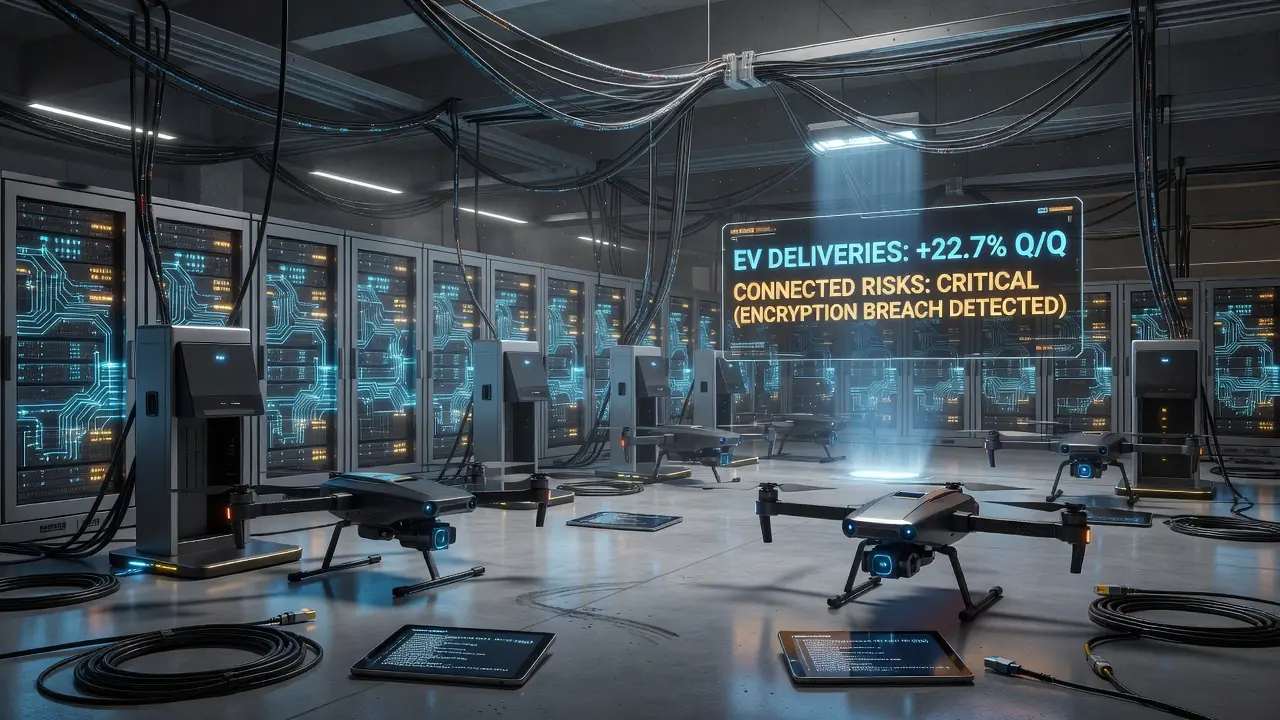
What often goes unmentioned in these celebratory delivery moments is the quiet transformation happening inside the vehicle itself. Modern electric cars like the e.MAS 7 are effectively computers on wheels, constantly exchanging data with manufacturer servers, mobile apps, and the driver's own smartphone. Owners who pair their phone with the car's infotainment system, track battery status remotely, or use companion apps for navigation are, often without realizing it, creating a continuous stream of location and usage data. For drivers who already take their digital privacy seriously on other devices, extending that same caution to their phone's connection is a logical next step, and resources such as a guide to setting up a VPN on an iPhone can help owners understand how encrypted connections work before they link personal devices to a connected car ecosystem.
Why Connected Vehicles Raise Privacy Questions
Electric vehicles rely on persistent connectivity to deliver features that combustion-engine cars never offered: remote climate control, over-the-air software updates, real-time charging status, and driving analytics. Each of these functions depends on data moving between the car, a manufacturer's cloud infrastructure, and often a third-party app. That data typically includes location history, charging patterns, and sometimes diagnostic information tied to a specific vehicle identifier. None of this is inherently malicious, but it does mean the vehicle's digital footprint is now as relevant to privacy as the data generated by a laptop or phone.
The mobile app paired with an electric vehicle is usually the weakest link in this chain, since it runs on a personal smartphone that may also connect to public Wi-Fi networks at shopping centers, charging stations, or service centers. Public networks are a known vector for interception, and a driver checking their car's battery level over an unsecured hotspot is exposing the same kind of traffic that a VPN is designed to protect. Encrypting that connection does not change how the vehicle itself communicates with the manufacturer, but it does shield the smartphone side of that relationship from casual snooping on shared networks.
Balancing Convenience With Caution
None of this should discourage buyers from embracing electric vehicles or the conveniences that come with them. Remote diagnostics and app-based controls genuinely improve ownership experience, and manufacturers generally apply reasonable security standards to their platforms. The more realistic concern is the accumulation of personal habits, routes, and routines sitting on connected infrastructure that drivers rarely scrutinize. As delivery events like the one in Iskandar Puteri become routine across the region, the conversation around electric mobility will need to expand beyond range and charging speed to include how owners protect the digital layer that now comes standard with every new car.